Finding and Becoming a Stockist
A practical guide to understanding retail partnerships in the custom apparel and decorated-hat space.
What a Stockist Relationship Looks Like
A stockist is a retailer that carries ready-made or semi-custom products from a decorator or manufacturer. Unlike custom-order work, where a customer contacts the maker directly, stockist arrangements let customers discover and purchase finished pieces through established retail channels — either physical shops or online platforms.
In the apparel and decorated-hat world, stockist relationships range from informal (a boutique carries one product line alongside others) to formal (an exclusive distributor with territorial rights and minimum order commitments). The best partnerships work because both sides understand what the other needs: makers need reliable distribution without managing hundreds of small retail accounts, and retailers need consistent supply and support to sell effectively.

The Mechanics of Stockist Operations
Most stockist arrangements follow a predictable structure, though details vary based on product type, volume, and relationship depth.
Inventory management: Stockists typically order in batches — often seasonal — and hold inventory themselves. A decorator provides products at wholesale pricing (usually 40-50% below retail), and the stockist marks them up to retail price. This means the stockist absorbs the risk of unsold inventory, but also controls pricing and customer experience entirely.
Minimum orders: Most decorators require minimum order quantities to make stockist relationships economically sensible. This might be 50 units per season for a smaller line or 500+ units for larger wholesale accounts. The minimums protect the maker from managing tiny orders and allow them to plan production schedules efficiently.
Pricing structure: Wholesale pricing stays confidential between maker and stockist, but it typically depends on order volume. Larger orders get deeper discounts because the decorator can batch production and reduce per-unit costs. A stockist ordering 100 units might pay $18 wholesale for a hat that retails at $45; one ordering 500 units might pay $15 wholesale.
Returns and restocking: Most wholesale arrangements allow limited returns (maybe 10-15% of order) within a defined period, but they’re not open-ended. Stockists are responsible for managing their inventory; they can’t simply return unsold stock whenever they choose. Some decorators offer restocking fees on returns to discourage casual returns.

Key Players in Modern Stockist Networks
Several types of businesses operate as stockists in the decorated apparel space:
Independent Boutiques
Curated retail spaces carrying carefully selected maker products. Often online and offline. Strong community ties; customers often know the owners and trust their taste.
Corporate Merchandise Partners
B2B accounts specializing in corporate apparel and merchandise. Usually wholesale-only; they work with companies purchasing branded items for teams, events, or gifts.
Specialty Retailers
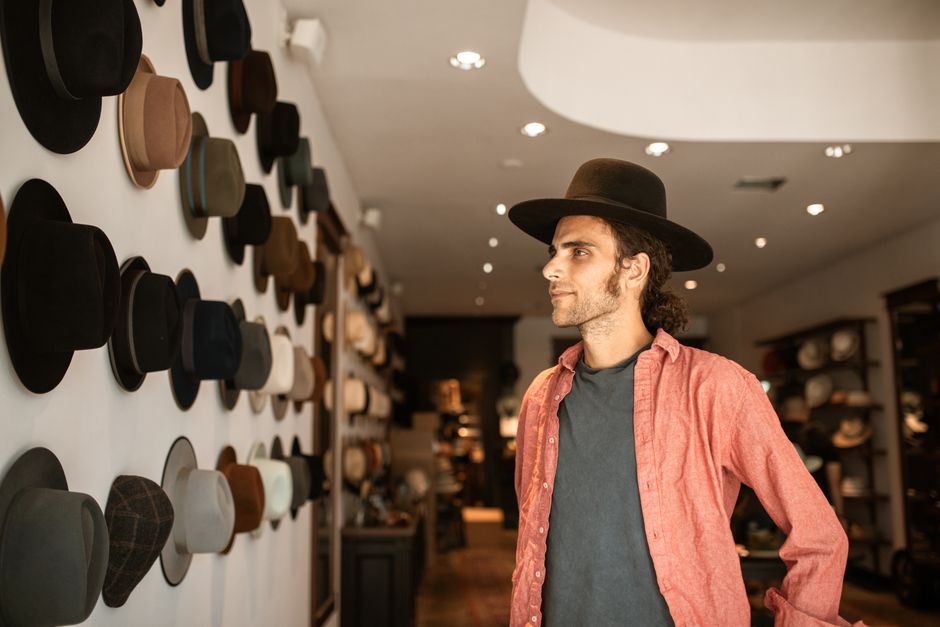
Niche-focused shops (hat specialists, workwear retailers, outdoor brands). They carry apparel as part of a larger category and have existing customer traffic.
Online Marketplaces
Curated platforms featuring independent makers (Etsy Pro accounts, specialty apparel platforms). They provide built-in traffic without the retail overhead.
The strongest stockist relationships succeed because both sides invest in making the partnership work — decorators commit to reliable supply and support, while stockists commit to real marketing and customer service. It’s not a transactional arrangement; it’s a working partnership where quality and trust matter as much as pricing and volume.