The Offering
Understanding what goes into custom embroidered apparel and how to work with specialists who know the craft
What Custom Embroidered Apparel Really Is
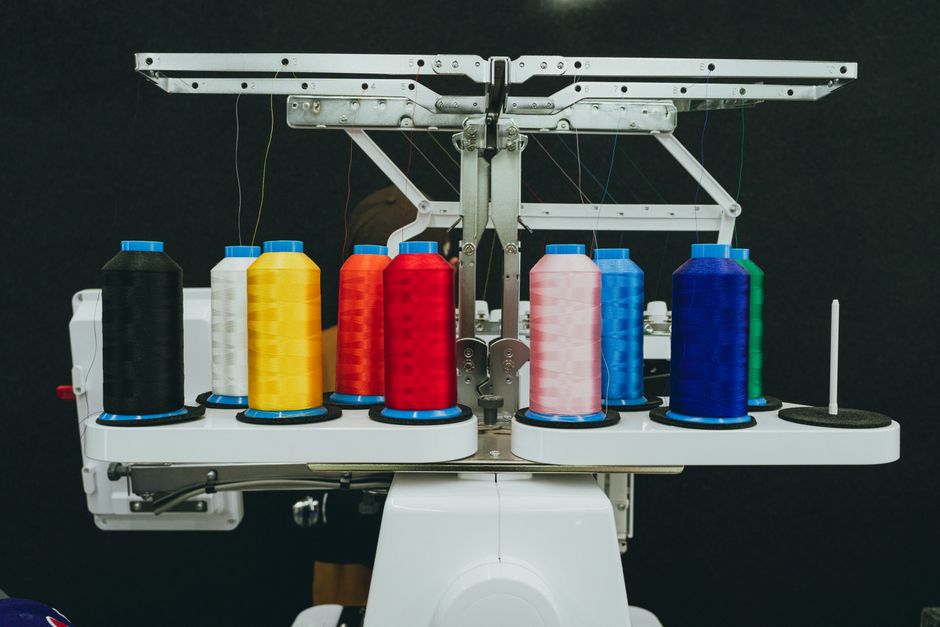
When you commission custom embroidered hats or apparel, you’re not just ordering a product—you’re engaging with a specialized craft that blends material science, technical precision, and artistic vision. The maker begins by understanding your design intent, selecting the right base garment for durability, choosing thread colors that will hold their vibrancy, and programming embroidery machines to execute the design at the proper tension and speed so every stitch reinforces the fabric rather than weakening it.
The quality of a custom piece depends on decisions made long before the needle touches the fabric: the weight of the base material, the type of stabilizer used to prevent puckering, the stitch count per design element, and whether the thread is polyester or cotton or a specialty blend. These choices stack up to create apparel that either fades and frays within a season or becomes something people want to wear for years.

How Quality Levels Differ
Not all custom embroidered hats are made the same. The table below breaks down what separates professional-grade work from mass-produced decoration:
| Quality Indicator | Professional Grade | Mass-Produced |
|---|---|---|
| Thread Tension | Adjusted per design; prevents puckering and fraying | Fixed setting; may cause visible fabric distortion |
| Stabilizer Choice | Chosen to match fabric weight; removed cleanly after stitching | Generic stabilizer; may leave residue or weaken fabric |
| Stitch Count | Optimized per design detail; typically 5,000–15,000 stitches | Minimized for speed; often under 3,000 stitches |
| Color Matching | Pantone-matched thread; custom blending available | Standard thread palette; color variance common |
| Post-Production | Hand-trimming of excess thread; quality inspection per piece | Machine trimming; spot checks only |
| Durability | Holds color and structure through 50+ washes | Fading or thread breakage after 10–20 washes |
Industry Standards and Best Practice
We follow standards championed by the Embroidery Trade Association and The Headwear Association, ensuring every custom piece meets professional decoration and headwear craftsmanship benchmarks. These organizations have established guidelines for everything from machine maintenance to thread quality to proper handling of delicate base materials. When you work with a maker who respects these standards, you’re not just paying for the finished hat—you’re paying for the process knowledge that keeps that hat looking great.
What to Think About Before You Order
Before you commission custom embroidered apparel, have a clear picture of what matters to you: Is this for team wear that will survive frequent washing? A limited-edition merchandise run? Personal pieces you want to keep for years? The answers shape which maker you choose and which base materials and techniques will serve you best. A professional embroiderer will ask these questions before quoting, because the right process for a 50-piece corporate order is different from the process for a one-off piece of wearable art.
The custom embroidered apparel market has room for every approach—from digital-on-demand services that prioritize speed to artisan makers who spend hours perfecting a single piece. Understanding which category your maker falls into helps you set realistic expectations and get the outcome you actually want.